
There’s something deeply romantic about planting fruit trees. We picture baskets overflowing with apples, children picking cherries on summer afternoons, and a thriving orchard that practically takes care of itself.
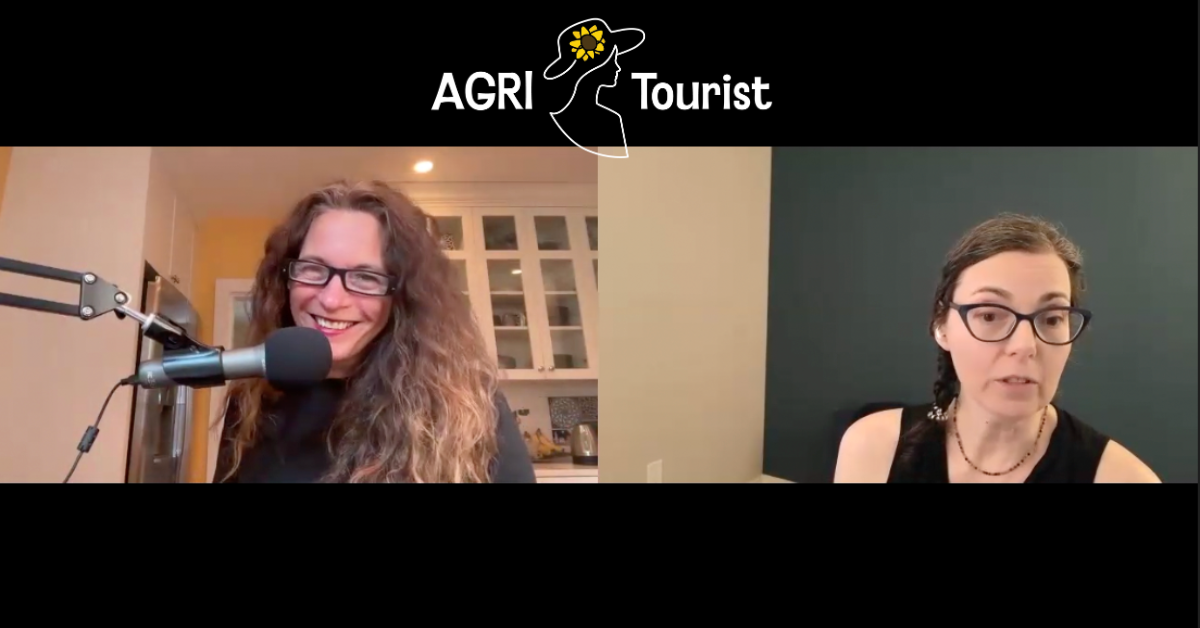
But as I learned in my recent podcast conversation with fruit tree expert, educator, and author Susan Poizner, the reality is far more complex — and far more meaningful.
Susan’s story began not as a seasoned grower, but as a journalist and traveler who knew almost nothing about agriculture. What started as a naïve idea to plant a community orchard in a Toronto park evolved into a 15-year journey of education, resilience, community building, and a deep respect for the work behind every piece of fruit we eat.
And honestly? It was one of the most eye-opening conversations I’ve had about farming, sustainability, and food systems.
The Myth of “Easy” Fruit Trees
One of the biggest takeaways from this conversation is something many people — myself included — often assume:
Fruit trees are not “plant it and forget it” crops.
Susan laughed while reflecting on her early assumptions:
“Why do they charge so much for organic apples? You just pop these trees in the ground… right?”
As anyone in agriculture knows, perennial crops may return year after year, but that doesn’t mean they’re low maintenance.
Diseases, pests, pruning, pollination, rootstocks, climate zones, chill hours, soil health, and cultivar selection all play critical roles in whether a fruit tree thrives or struggles.
Susan openly shared that her first orchard project involved many mistakes:
- Choosing varieties unsuited for her climate
- Buying older nursery trees instead of young bare-root stock
- Underestimating disease pressure
- Not understanding grafting or cross-pollination
But those mistakes ultimately became the foundation for the work she does today.
Why Community Orchards Matter
What fascinated me most was that Susan’s orchard was never just about fruit.
It was about:
- Food sustainability
- Education
- Community connection
- Reconnecting people to agriculture
Over time, the orchard became a gathering place where neighbors learned together, harvested together, and shared food together.
One of the most beautiful stories Susan shared was about their community cherry harvest days.
Instead of allowing individuals to take as much as they wanted, everyone harvested into shared bowls. The harvest was then weighed and divided equally among participants.
“It taught the whole community — especially children — about sharing and abundance.”
In a world increasingly disconnected from farming and food production, these moments matter deeply.
The Reality of Organic Fruit Growing
As someone who has worked in sustainable agriculture myself, I appreciated Susan’s honesty around organic growing practices.
There’s often a misconception that “organic” means no sprays whatsoever. But as Susan explained, many organic orchard systems still rely on carefully approved sprays and integrated management practices.
Some examples she discussed included:
- Dormant oil sprays
- Copper sprays
- Sulfur sprays
- Kaolin clay applications
- Soil health management
- Pollinator habitats
The key difference is thoughtful, intentional use.
Susan emphasized that cultivar selection is one of the most important decisions a grower can make — especially in the Northeast.
Certain apples, like Honeycrisp, are notoriously difficult to grow organically because they are highly disease-prone.
Meanwhile, disease-resistant cultivars like:
- Liberty
- Freedom
- Pristine
- Nova Spy
- Sweet 16
can dramatically reduce chemical dependency while still producing exceptional fruit.
That perspective is incredibly important as consumers continue seeking more sustainable food systems while also understanding the realities farmers face.
What Is Grafting — And Why Does It Matter?
One of my favorite parts of the conversation was Susan’s incredibly approachable explanation of grafting.
Many people assume planting an apple seed produces the exact apple variety it came from. But fruit genetics don’t work that way.
As Susan explained:
“Apples are like humans — there are two parents.”
To reliably grow a specific apple variety, growers graft a cutting from a desired cultivar onto compatible rootstock. The rootstock provides characteristics like:
- Disease resistance
- Tree size control
- Early fruiting
- Climate adaptability
Meanwhile, the top portion determines the fruit variety itself.
It’s a fascinating blend of science, tradition, and craftsmanship that most consumers never realize exists behind every apple orchard.
The Bigger Lesson: Respect for Farmers
Perhaps the strongest theme throughout this episode was gratitude.
The more Susan learned about fruit growing, the more respect she developed for farmers and orchardists.
“I know how hard it is.”
That line stuck with me.
Because whether you farm vegetables, berries, flowers, livestock, or fruit trees — agriculture humbles you quickly.
Nature doesn’t follow timelines.
Plants don’t always cooperate.
And success usually comes through years of trial, adaptation, and persistence.
Susan’s journey is such an important reminder that agriculture is never just about production. It’s about stewardship, education, patience, and community.
Reconnecting People with Food Production
This conversation left me thinking deeply about what it means to truly reconnect people with food production.
Community orchards may not solve food insecurity overnight.
They may not produce perfect harvests every year.
And yes — people may even pick fruit before it’s ripe.
But they create something equally valuable:
connection.
Connection to land.
Connection to neighbors.
Connection to the incredible amount of work behind every harvest.
And maybe most importantly — connection to learning.
Susan’s story proves that you don’t need to start as an expert to grow something meaningful.
Sometimes, you just need the courage to plant the first tree.
Click here to listen to the full Agri-Tourist podcast episode with Susan Poizner.