
There’s something many of us instinctively feel when we step onto a farm.
We slow down.
We breathe differently.
We reconnect.
We feel calmer, more grounded, more present.
But what if those feelings aren’t just emotional reactions?
What if farms — especially regenerative, community-centered farms — are actually functioning as a form of preventative healthcare?
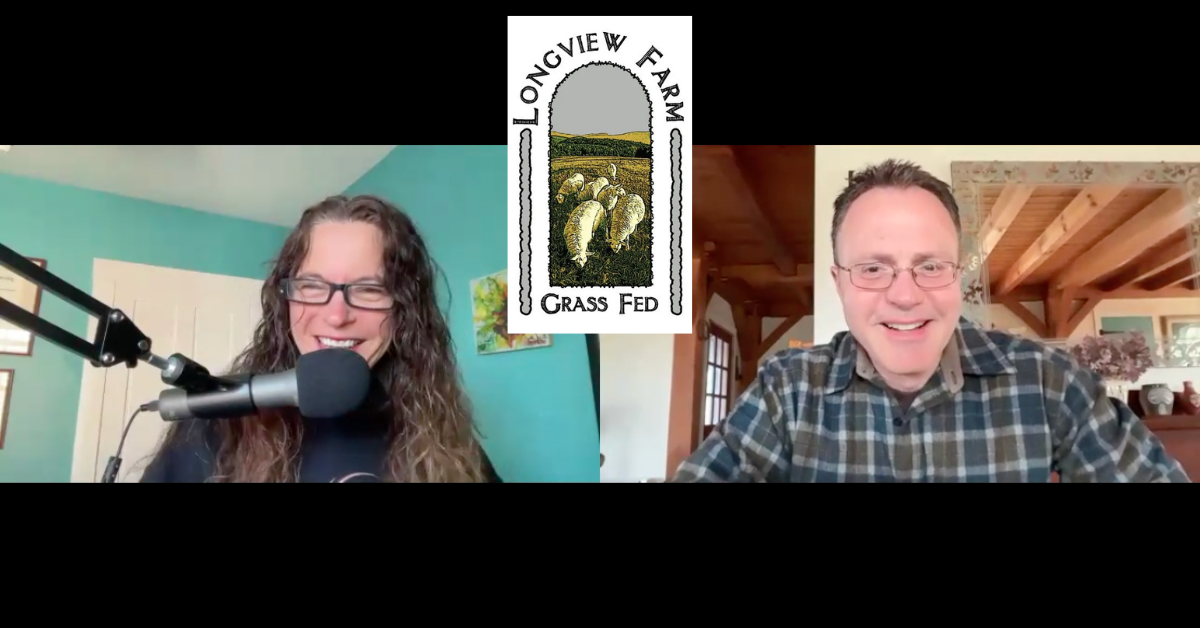
That was the powerful question at the center of my recent podcast conversation with emergency medicine physician, public health advocate, farmer, and agri-tourism visionary Dr. Chris Barsotti.
And honestly, this conversation completely reframed the way I think about agritourism.
From Emergency Medicine to Regenerative Agriculture
Chris’s background is unlike anyone I’ve interviewed before.
He’s spent more than two decades working in emergency medicine while also studying ecological economics, environmental health, public health systems, and regenerative agriculture. His work has ranged from evaluating environmental contamination sites to building public health initiatives around firearm injury prevention.
At the same time, he and his wife quietly built a 250-acre farm in southern Vermont — a property with pastures, forests, gardens, livestock, and sweeping mountain views designed not only for farming, but for gathering people together.
Over time, Chris began noticing something important:
People didn’t just enjoy visiting the farm.
They visibly changed while they were there.
“There was something more that I saw happening… it created joy and wellness in them.”
That observation led him down an entirely new path of research exploring nature-based interventions, lifestyle medicine, horticultural therapy, animal-assisted experiences, and the measurable health impacts of time spent in green spaces.
Farms as Public Health Infrastructure
One of the most fascinating ideas Chris introduced was this:
Farms with hospitality components may already function as a form of public health infrastructure.
That statement stopped me in my tracks.
Because when you really think about it, farms naturally create many of the exact conditions experts now associate with improved health outcomes:
- movement and physical activity
- social connection
- fresh air and green space
- reduced stress
- meaningful work
- interaction with animals
- nutrient-dense food
- reduced screen time
- sensory grounding
- connection to nature
Chris explained that while modern healthcare largely focuses on treating illness after it happens, farms may offer something more upstream:
conditions that help support wellness before people become sick.
And the research increasingly supports it.
The Science Behind Nature-Based Wellness
During the pandemic, Chris began diving deeply into research around what are called “nature-based interventions.”
These include:
- horticultural therapy
- forest bathing
- animal-assisted experiences
- care farming
- green space exposure
- equine therapy
- apiary therapy
- outdoor movement and land stewardship
What surprised him most was how much scientific evidence already exists linking nature exposure to measurable mental, emotional, physical, and social health benefits.
One study he referenced found that approximately 120 minutes in nature per week may begin producing measurable health benefits.
And when you think about agritourism through that lens, it becomes something much larger than tourism.
It becomes:
- preventative wellness
- community health
- nervous system regulation
- social reconnection
- environmental education
- emotional restoration
The Loneliness Epidemic & Why Farms Matter
One of the most powerful parts of our conversation centered around loneliness and isolation.
Chris referenced the recent U.S. Surgeon General advisory describing loneliness as a growing public health crisis in America.
And honestly, this resonated deeply.
We are more digitally connected than ever — yet increasingly disconnected from:
- land
- neighbors
- meaningful work
- shared meals
- nature
- animals
- intergenerational spaces
- community rituals
Farms naturally counter many of those conditions.
Whether it’s gathering around a farm table, harvesting vegetables, walking through orchards, feeding animals, or simply sitting quietly overlooking a pasture, agricultural spaces often create the exact type of grounded human connection people are missing.
“Participating in normal agriculture with people and animals and nature has discrete health benefits.”
That line stayed with me long after the interview ended.
What AgriTourism Could Become
One thing I appreciated about Chris’s perspective is that he isn’t suggesting farms suddenly become hospitals or clinical therapy centers.
Instead, he believes many farms are already organically providing wellness benefits — they simply haven’t framed or articulated them that way yet.
That distinction matters.
Because regenerative farms, biodiverse farms, small family farms, educational farms, and hospitality-based farms are already creating spaces where people:
- reconnect with food systems
- reduce stress
- engage physically
- interact socially
- experience nature
- build resilience
- slow down
Chris describes his work as helping create a language around those experiences.
And I think that perspective opens enormous opportunities for the future of agritourism.
Sicily, Agriculture & Human Connection
Toward the end of the conversation, we reflected on our shared experience visiting farms in Sicily — particularly the incredible energy, hospitality, and interconnectedness we witnessed there.
The farms weren’t simply businesses.
They were living ecosystems of:
- food
- family
- culture
- hospitality
- movement
- storytelling
- work
- healing
- and connection
And perhaps that’s the larger lesson here.
Agriculture has never only been about production.
At its best, it has always been about community care.
The Future of Farming
This episode challenged me to think differently about the future of farming.
Not simply as:
- food production
- tourism
- sustainability
- hospitality
- or education
But as a deeply human system that supports wellness in ways we may only now be beginning to understand scientifically.
For those of us working in agriculture, agritourism, regenerative farming, or food systems, this conversation feels incredibly important.
Because maybe the future of farming isn’t only about feeding people.
Maybe it’s also about helping heal them.