
Agritourism Is Evolving—And New Zealand Is Leading the Way
What does it really take to turn a farm into a thriving agritourism business?
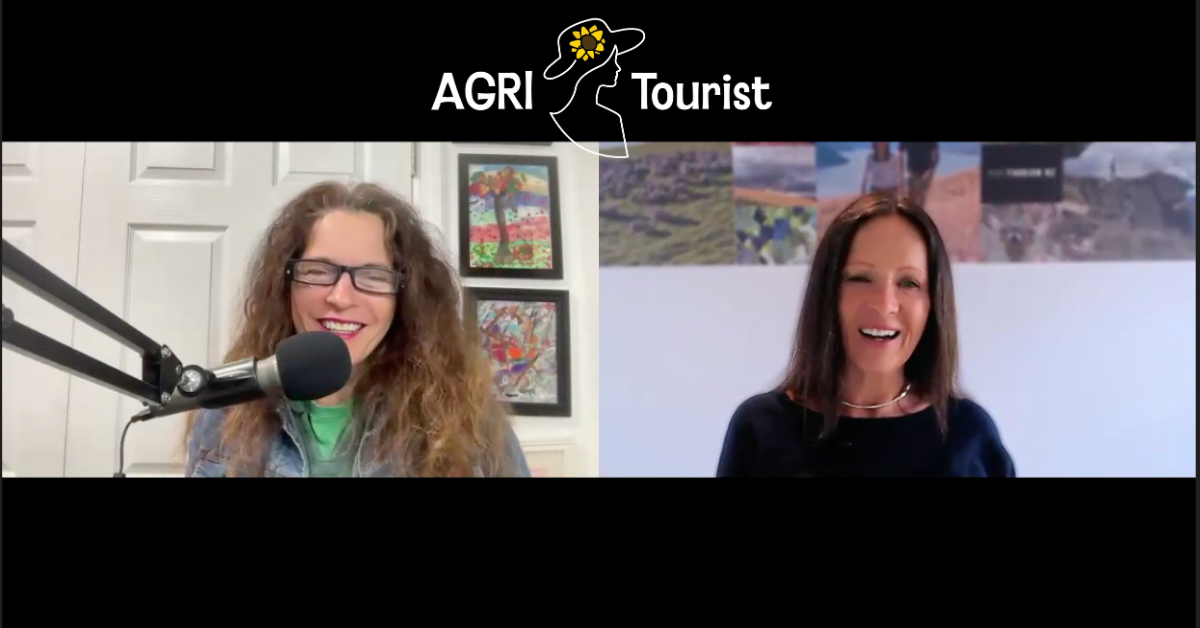
In episode 95 of The Agri-Tourist Podcast, I reconnect with Marijke Dunselman of Agritourism New Zealand to explore how one country is not only embracing agritourism—but helping define what it looks like at a global level. (original interview is Episode 14)
With more than two decades of experience in the industry, Marijke has been at the forefront of helping farmers see what’s possible beyond traditional agriculture.
“The biggest challenge has been to create awareness… that there even are opportunities in diversifying.”
And that challenge isn’t unique to New Zealand—it’s something we see across agriculture worldwide.
From Concept to Industry: Putting Agritourism on the Map
Agritourism hasn’t always been called agritourism.
For years, it existed as farm stays, tours, or informal experiences—without structure, strategy, or recognition as a true business model.
Through years of education, advocacy, and hands-on work, that’s changing.
“I’ve put agritourism on the map.”
Today, more farmers are seeing agritourism not as a side project—but as a viable, scalable business that can generate meaningful income and keep farms sustainable for future generations.
The Rise of Education: Why Farmers Need More Than an Idea
One of the most important takeaways from this conversation is this: success in agritourism doesn’t happen by accident.
It requires education.
Through Marijke’s Agritourism Academy—a structured, three-month program—farmers learn everything from business planning and pricing to marketing, compliance, and customer experience.
“To have that all in one place… makes it really easy for people.”
Because the reality is, farmers aren’t just learning a new revenue stream—they’re learning an entirely new industry.
The Biggest Challenges: Pricing and Safety
Two of the most common challenges farmers face when entering agritourism?
Pricing and health & safety.
“People don’t often know how to price their product.”
Many undervalue their experiences, unsure of what customers are willing to pay. But as Marijke explains, when you build a high-quality, memorable experience, customers are more than willing to pay for it.
At the same time, compliance and safety—especially in countries like New Zealand—add another layer of complexity that farmers must navigate.
The Power of Collaboration Over Competition
One of the most refreshing insights from this conversation is how farmers approach collaboration.
“They don’t see each other as competition… they see each other as working together.”
Through regional agritourism networks, farmers are sharing ideas, resources, and even building experiences together.
From shared knowledge about infrastructure to collaborative multi-day farm experiences, this model is redefining what success looks like in agriculture.
A New Kind of Experience: Multi-Day Farm Tourism
One of the most exciting developments in New Zealand?
Multi-day farm experiences.
These immersive offerings allow visitors to travel from farm to farm—walking between properties, staying overnight, and experiencing different agricultural operations along the way.
“People absolutely love it… it’s a really good business model.”
It’s experiential, collaborative, and highly valuable—both for visitors and for farmers.
Thinking Globally: The Role of International Tourism
New Zealand’s agritourism industry is deeply connected to international visitors.
With travelers coming from the U.S., Europe, Australia, and Asia, understanding global markets—and how to reach them—is critical.
“Between 40 and 70% of our international visitors book through agents.”
This highlights an important shift: farmers must think beyond local marketing and understand global distribution channels if they want to scale.
The Bigger Picture: Why Agritourism Matters
At its core, agritourism is about more than revenue.
It’s about:
- Keeping farms financially viable
- Bringing the next generation back to agriculture
- Creating meaningful connections between people and food
“You see people’s kids coming back to the farm… developing businesses.”
And perhaps most importantly, it’s about giving people what they’re increasingly seeking:
Authentic, real, human experiences.
Final Takeaway: Agritourism Is an Opportunity—If You’re Willing to Learn
Agritourism isn’t a shortcut.
It’s a commitment—to learning, to adapting, and to thinking differently about what a farm can be.
But for those willing to embrace it, the opportunity is significant.
Because as this conversation makes clear, agritourism isn’t just growing—it’s evolving into one of the most powerful ways to connect agriculture with the world.
Click here to listen to the Episode 95 of the Agri-Tourist Podcast with Marijke Dunselman.