
What happens when a homeschooled 17-year-old boy in the Missouri Ozarks decides to publish a seed catalog?
Nearly 30 years later, that modest 12-page, black-and-white booklet — complete with hand-drawn illustrations from his mother — has grown into Baker Creek Heirloom Seeds, one of the most recognizable names in heirloom gardening, seed preservation, and agricultural storytelling.
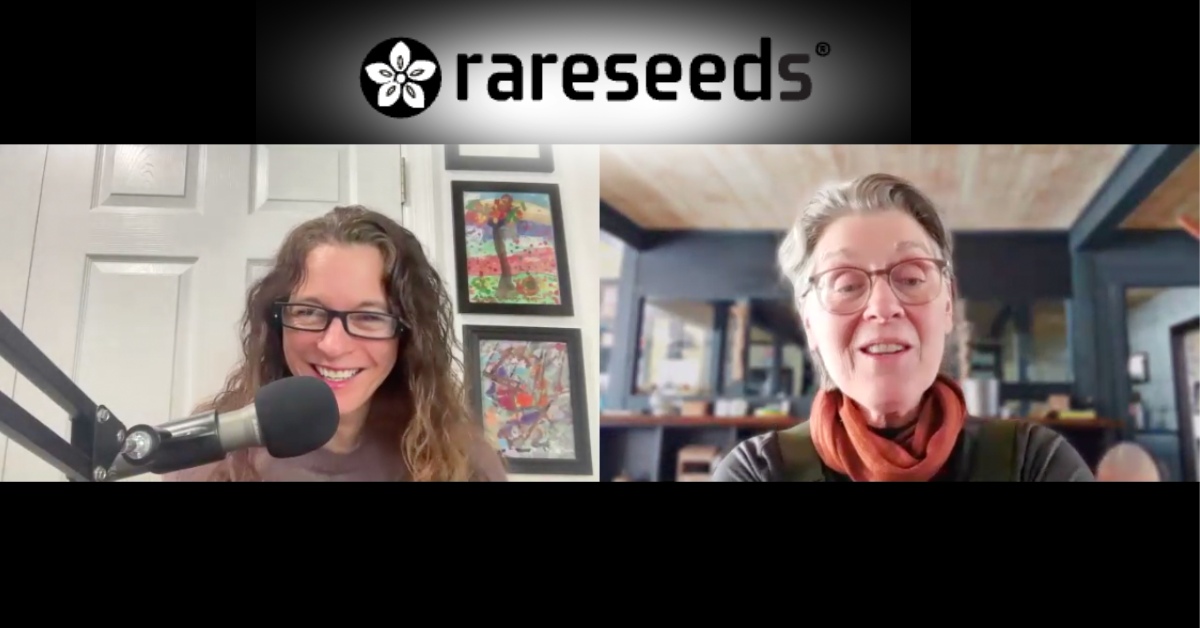
In my recent Agritourist podcast conversation with Michelle Johnson — self-described “Media Swiss Army Knife” at Baker Creek — we explored how this company evolved from a teenager’s passion project into a global force in heirloom seed preservation, agritourism, and sustainable agriculture.
And yet, at its heart, the mission remains remarkably simple:
“He was following his bliss. He was following his passion. He was following his heart.”
The Origin Story: Saving Heirloom Seeds
Founder Jere Gettle grew up in a homesteading family and had his first garden at just three years old. By age 12, he noticed heirloom varieties disappearing from seed catalogs and began searching for them.
He joined Seed Savers Exchange, began trading seeds, and soon had more varieties than he could reasonably grow. At 17, he asked his parents if he could publish a catalog.
Their response?
“Of course… we just thought, well, that’s a good hobby for a boy in the Ozarks.”
That “hobby” became Baker Creek Heirloom Seeds.
Y2K brought a surge in demand as consumers worried about food supply disruptions — a pattern we would see again during COVID-19, when seed demand across the country went “bonkers,” as Michelle described.
In times of uncertainty, people return to soil.
What Are Heirloom Seeds — Really?
One of the most important parts of our conversation was defining heirloom seeds — a term often misunderstood.
Michelle explains:
“The most commonly held definition is a variety that has been continually stewarded and grown in a community, or in a place, or within a family, for 50 years or more.”
All heirloom seeds are open-pollinated, meaning they breed true and allow gardeners to save seeds year after year.
Unlike many commercial hybrid varieties bred for shipping durability and shelf life, heirlooms are bred for:
- Flavor
- Beauty
- Color
- Cultural heritage
- Seed saving
And perhaps most importantly:
“These are seeds that belong to the people.”
Baker Creek takes GMO contamination testing seriously — especially with crops like corn that can easily cross-pollinate — reinforcing their philosophical commitment to seed sovereignty.
From Seed Company to Agritourism Destination
Located in the Missouri Ozarks, Baker Creek’s headquarters is more than a farm — it’s an agritourism destination.
The 25-acre homestead includes:
- Extensive seed production fields
- Large-scale greenhouses
- A village-style seed store
- A plant-based restaurant
- Festival grounds
- Theatrical social media sets
Their seasonal festivals draw thousands of visitors and celebrate heirloom gardening with live music, food, plant sales, and jaw-dropping produce displays.
Michelle described the display tent during festival season:
“When you see the diversity… your jaw’s on the floor.”
What started as small community gatherings evolved into nationally recognized events, including the National Heirloom Exposition.
As Michelle joked:
“Maybe we’re accidental agritourists.”
But the impact is very intentional — building community around food, gardening, and biodiversity.
The Power of Authentic Social Media
If you’ve seen Baker Creek on Instagram, you know their content is unlike anything else in agriculture.
Top hats. Velvet suits. Eight-foot carrots. Pink rooms. Rubber grapes. Dramatic lighting.
It feels theatrical, exuberant, and completely authentic.
Michelle summed it up perfectly:
“The power of it is in its authenticity… it really is media animated by joy.”
Founder Jere Gettle serves as the company’s creative director, photographing plants at golden hour and filming playful, exuberant videos that showcase heirloom varieties in unforgettable ways.
It works — because it’s real.
“He has never lost his joy.”
That joy fuels everything — from the 532-page full-color seed catalog to their wildly successful organic social reach.
A Global Footprint Rooted in Purpose
Today, Baker Creek works with growers and partners across:
- Japan
- Ghana
- Kenya
- Peru
- Cambodia
- Ecuador
- Jamaica
- Southeast Asia
- Europe
Through partnerships like MESA (Multinational Exchange for Sustainable Agriculture), they train emerging agricultural leaders from the Global South and collaborate on seed production projects that restore traditional varieties to farmers.
One story Michelle shared brought her to tears: Kenyan farmers receiving heirloom varieties and saying:
“We haven’t seen this variety for decades.”
This is seed preservation in action.
Not corporate expansion.
Not big box retail.
But, as Michelle put it:
“A much more deep and quiet focus on building healthy, resilient communities.”
More Than Seeds — A Philosophy
Perhaps the most powerful takeaway from our conversation was this:
“This isn’t about Jere Gettle. This isn’t about Baker Creek. It’s about the future of food.”
It’s about:
- Food sovereignty
- Biodiversity
- Flavor over shelf life
- Storytelling over sales tactics
- Community over competition
They believe there should be more heirloom seed companies, not fewer.
Because:
“We are all in this together.”
The Stories Behind the Seeds
Michelle’s journalism background brought depth and rigor to Baker Creek’s storytelling. Her “Seed Stories” series — now more than 100 videos — documents the people behind heirloom varieties.
One example: Dr. John Wyche, a retired dentist in Oklahoma who hauled elephant manure up a mountain in his Chevrolet Malibu to fertilize his garden.
His tomato lives on as “Dr. Wyche’s Yellow.”
Heirloom gardening, Michelle says, is full of:
“A huge and glorious collection of eccentrics and oddballs — and we are all better for it.”
The Future of Baker Creek
As Baker Creek approaches its 30th anniversary, the future isn’t about more retail stores.
It’s about:
- Seed education
- Documentary storytelling
- International agricultural partnerships
- Strengthening sustainable farming communities
- Deepening, not widening, impact
Because seeds don’t just grow plants.
They grow movements.
And in an era of fragile supply chains and industrial agriculture dominance, heirloom seeds represent resilience — genetic, cultural, and communal.
As Michelle said:
“Seeds just want to grow.”
And perhaps so does this movement.
Click here to listen to the the full Agri-Tourist Podcast episode 91 here.